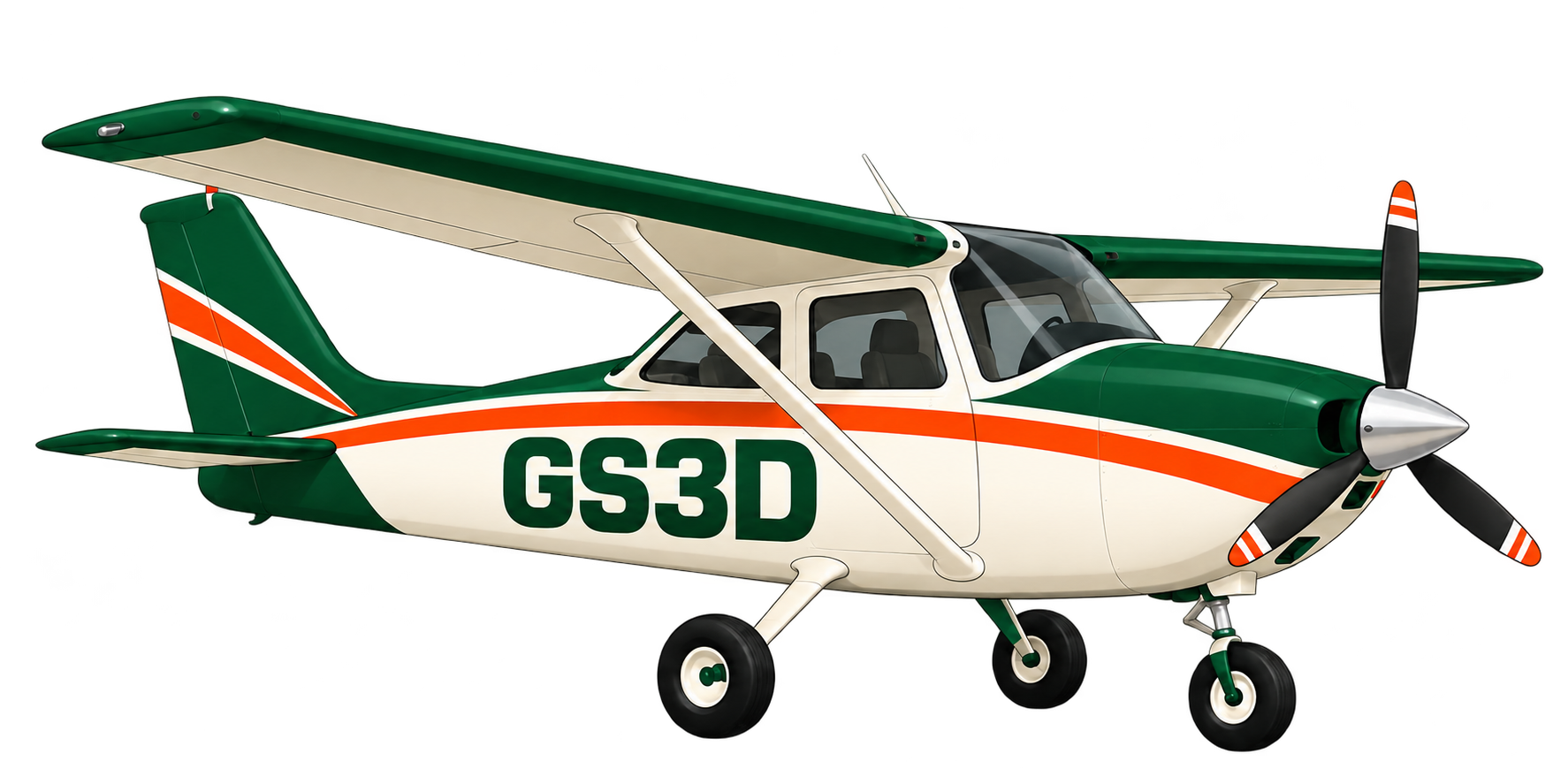
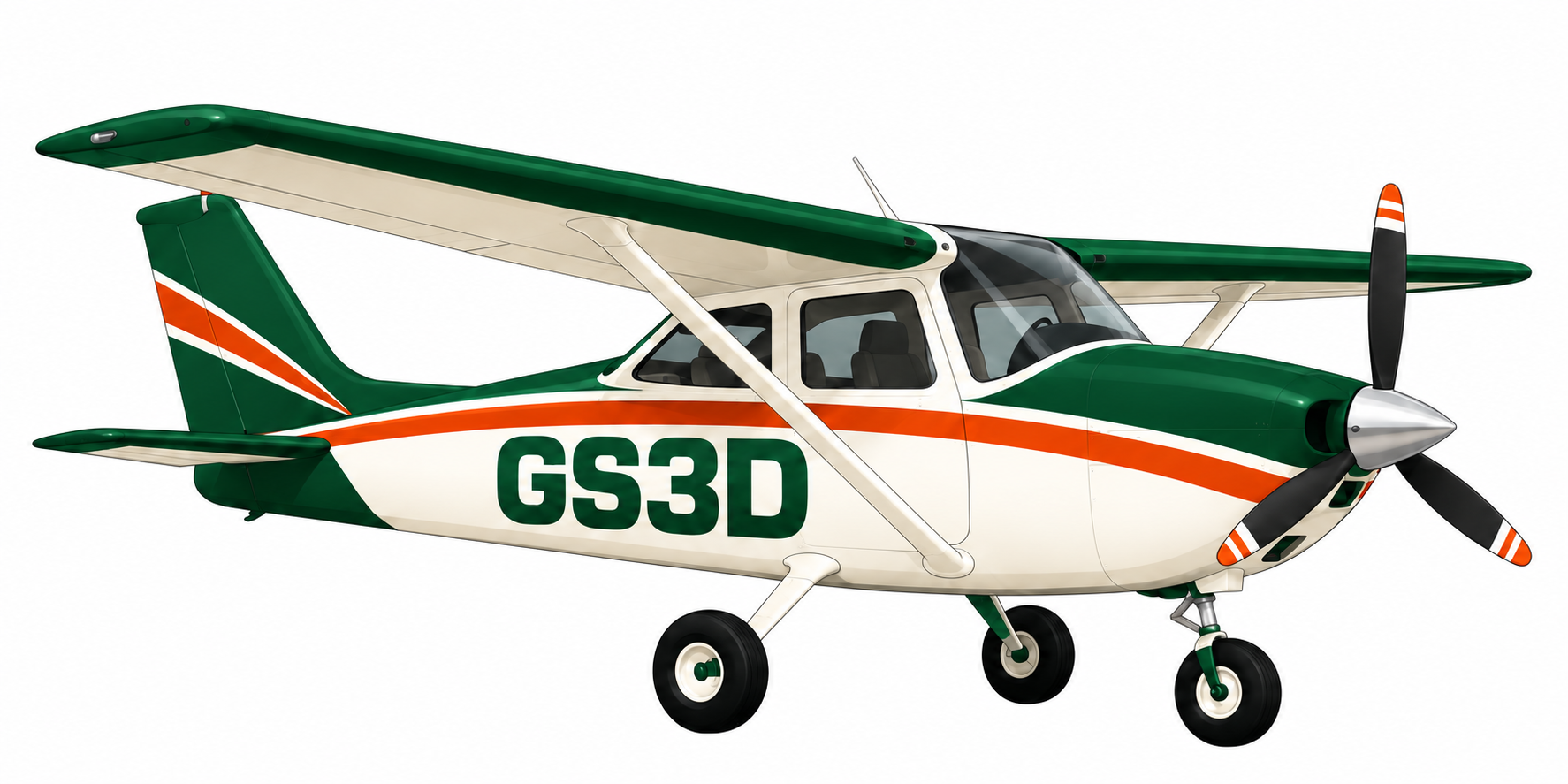
Aircraft, aerodynamics and performance.
Structure and flight controls lead into lift, weight, thrust and drag. Angle of attack, stability and drag then connect to aircraft performance. Weight and balance, density altitude and aircraft systems add the conditions and limits that affect a real aircraft.
The interactive classroom uses models to make selected relationships visible. They are simplified teaching models, not a flight simulator certified for training, an aircraft flight manual or a performance calculator for dispatch.
Aviation weather: METAR, TAF and the atmosphere.
Study how observations and forecasts differ, how aviation weather is reported and how the atmosphere affects a flight. METAR and TAF interpretation belongs alongside wind, pressure, visibility, clouds and the limitations of a report.
Use a current official weather briefing and relevant operational information for real planning. A weather example used in a lesson is there to teach interpretation, not to give a go/no-go decision.
Radio, human factors and decision-making.
Communication, situational awareness, fatigue, workload and judgement connect the technical topics to the person flying. Review why an action is appropriate in a scenario and which extra information you would want before acting.
Keep a question list for your instructor. The purpose of the study companion is to make gaps in understanding easier to identify; completing its selected lessons does not establish competence or complete exam coverage.
GO TO THE SOURCE
Official references.
Check the current publication for your country and qualification. These links identify the authorities and source material; they do not imply approval of Ground School 3D.
- Transport Canada Aeronautical Information Manual
- Transport Canada: study guides and sample examinations
- FAA: aviation handbooks and manuals
Canadian classroom material has topic-level coverage and is awaiting instructor review. U.S. course development remains a roadmap. Report a correction through GS3D support.